Gas Cooktop Installation in Albany Creek
Cooktops, ovens and heaters on natural gas or LPG all need a licensed gasfitter, and gas cooktop installation Albany Creek wide is work we take on every week. You get a fixed quote before any work starts, and every job is done by a licensed plumber or gasfitter. Albany Creek Plumbing Service covers the full gas fitting range, and the Albany Creek home page lists everything else we do.
If we're late, $100 comes off your bill

- Licensed and InsuredEvery job done by a licensed plumber. QBCC No: 15024607
- Fixed Quote FirstFlat-rate pricing, agreed before any work starts
- Lifetime Labour WarrantyBacked by our Fix-It-or-It's-Free guarantee (T&Cs apply)
- $0 Call-Out FeesNo extra charge for nights, weekends or public holidays
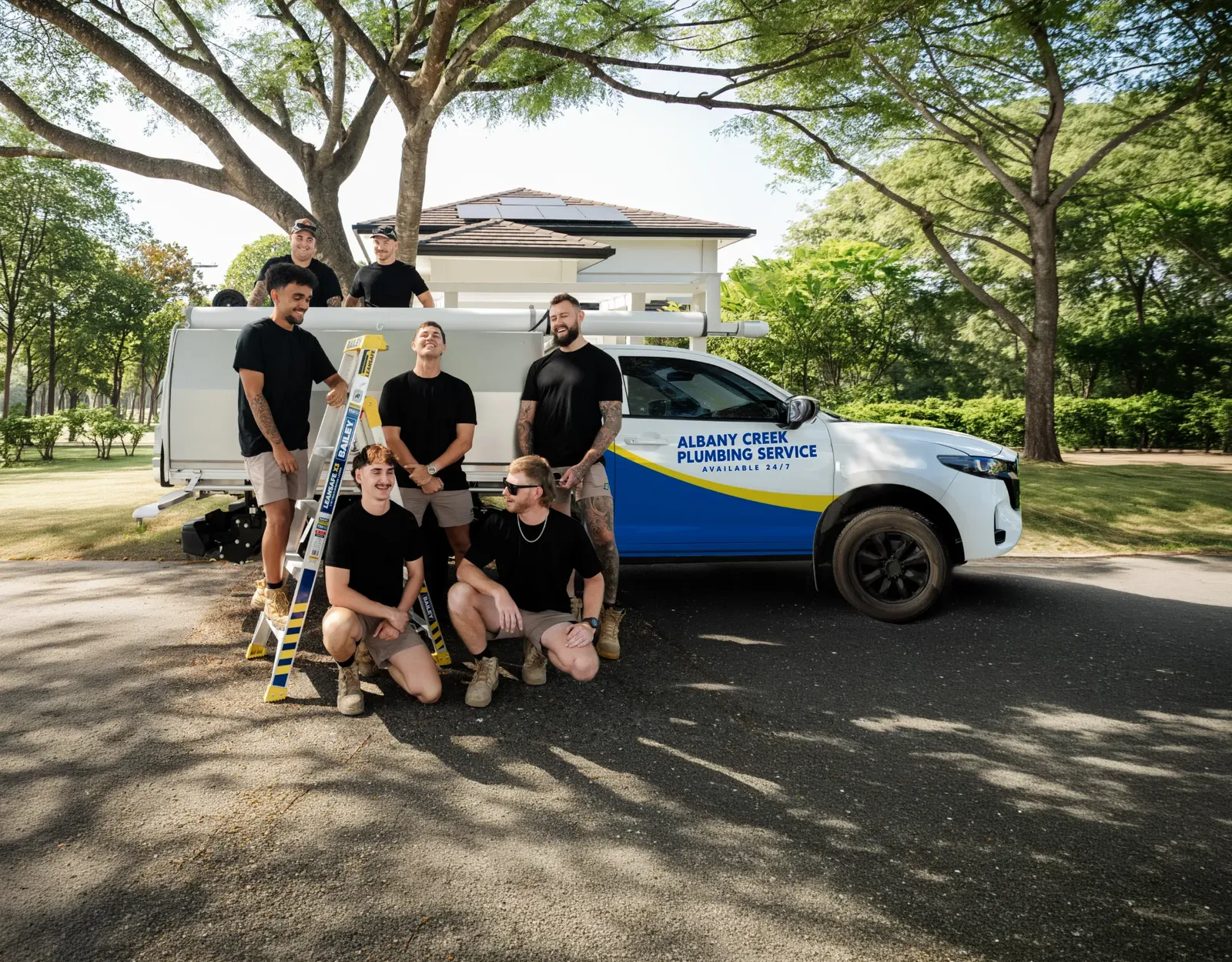
New kitchens keep this work coming. Area-level building approvals put 383 dwellings across five years, 114 of them in 2021-22 alone, so plenty of benches along streets like Albany Forest Drive are ready for a gas appliance.
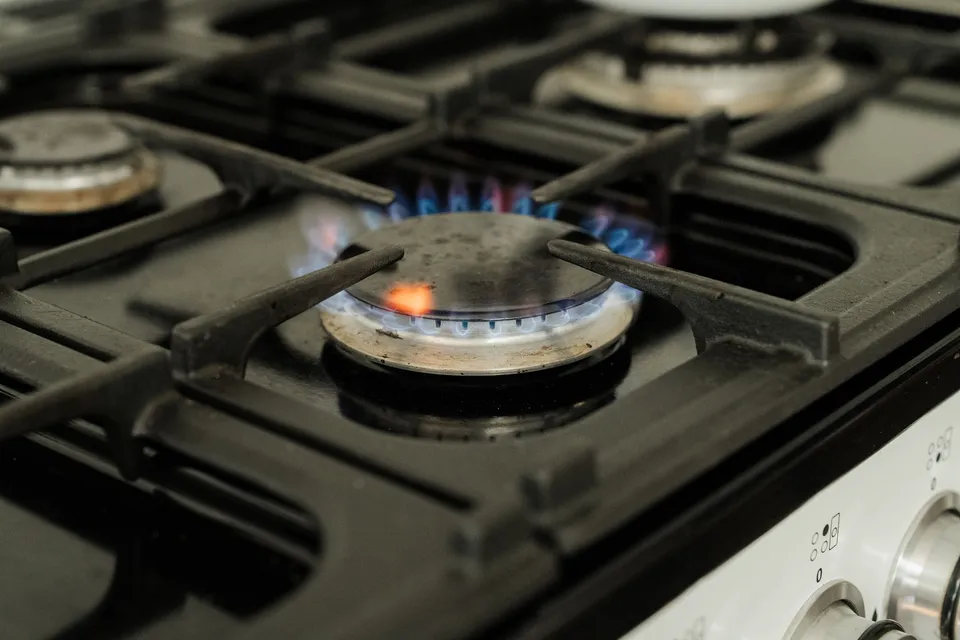
Can You Install a Gas Cooktop Yourself
No, a home owner in Queensland cannot lawfully fit a gas cooktop. Gas work belongs to a licensed gasfitter, and the definition runs wide: installing, altering, repairing, servicing, testing or certifying any gas system, along with the pipework and connections.
Connecting a cooktop to a gas point sits squarely inside that list. So does changing a hose, swapping a regulator or shifting a bayonet fitting. Ask for the gas work licence up front; a legitimate tradesperson shows it without hesitation.
This page explains what the work involves, never how to do it yourself. Suspect a fault on an appliance already installed? Our page on gas leak repairs covers what happens next.
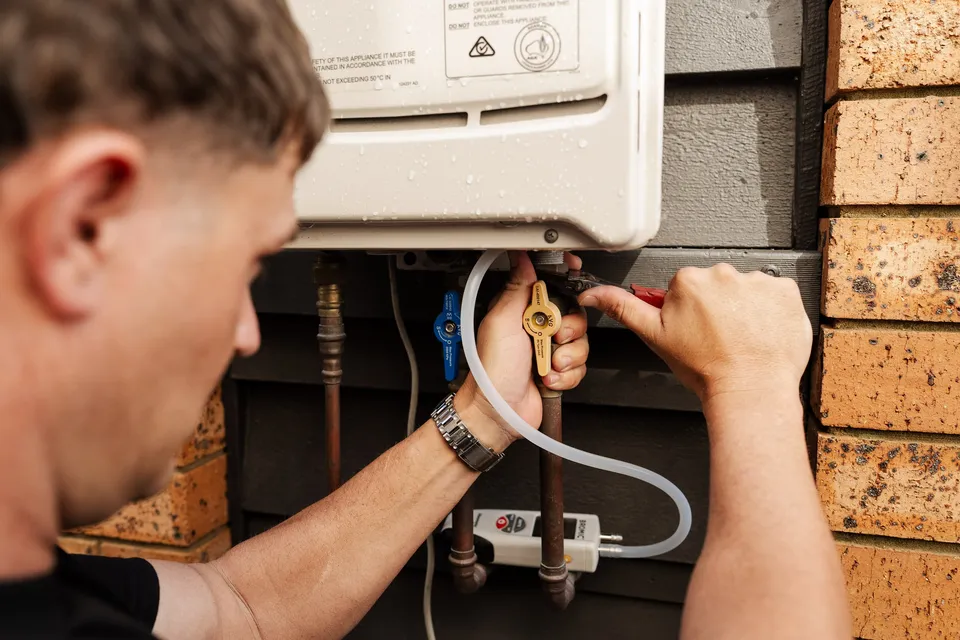
What a Gas Appliance Installation Involves
The job comes down to five parts: connecting the appliance to the gas point to the maker's instructions, setting the clearances, leak-testing and certifying. Here is what sits inside each.
The gas point
A swap onto a point that already exists needs less pipework than running a fresh line or setting up a cylinder system.
The maker's instructions
Cooktops, ovens and heaters go in to the manufacturer's instructions, and the gasfitter follows them.
Clearances
The installation sheet from the maker sets the gaps to the rangehood, the cabinetry and any combustible surface, and those figures govern the install.
The leak test
Every new connection is leak-tested before the gasfitter leaves.
Certification
On completion the licence holder gives you the gas system compliance certificate, confirming the work is compliant. Our page on gas compliance certificates explains the paperwork.
A bench cooktop, a wall oven and a standalone stove each meet the supply differently, and the number of burners, or an oven underneath, changes the job. The installation sheet sets the details for each type.

Costs Beyond the Appliance Itself
Cost comes down to four drivers: a gas point that already exists versus fresh pipework, the appliance type, the supply checks and any conversion. An existing point keeps the job short. A new line, or a cylinder setup from scratch, adds labour and materials.
The appliance itself shapes the job. A four-burner cooktop is a smaller task than a standalone stove with an oven, because the connections and clearances grow with the unit. Supply checks and a conversion add time, and a tight kitchen can make access harder.
You see the full figure in a fixed quote before we pick up a tool, with flat-rate pricing and no hidden fees.
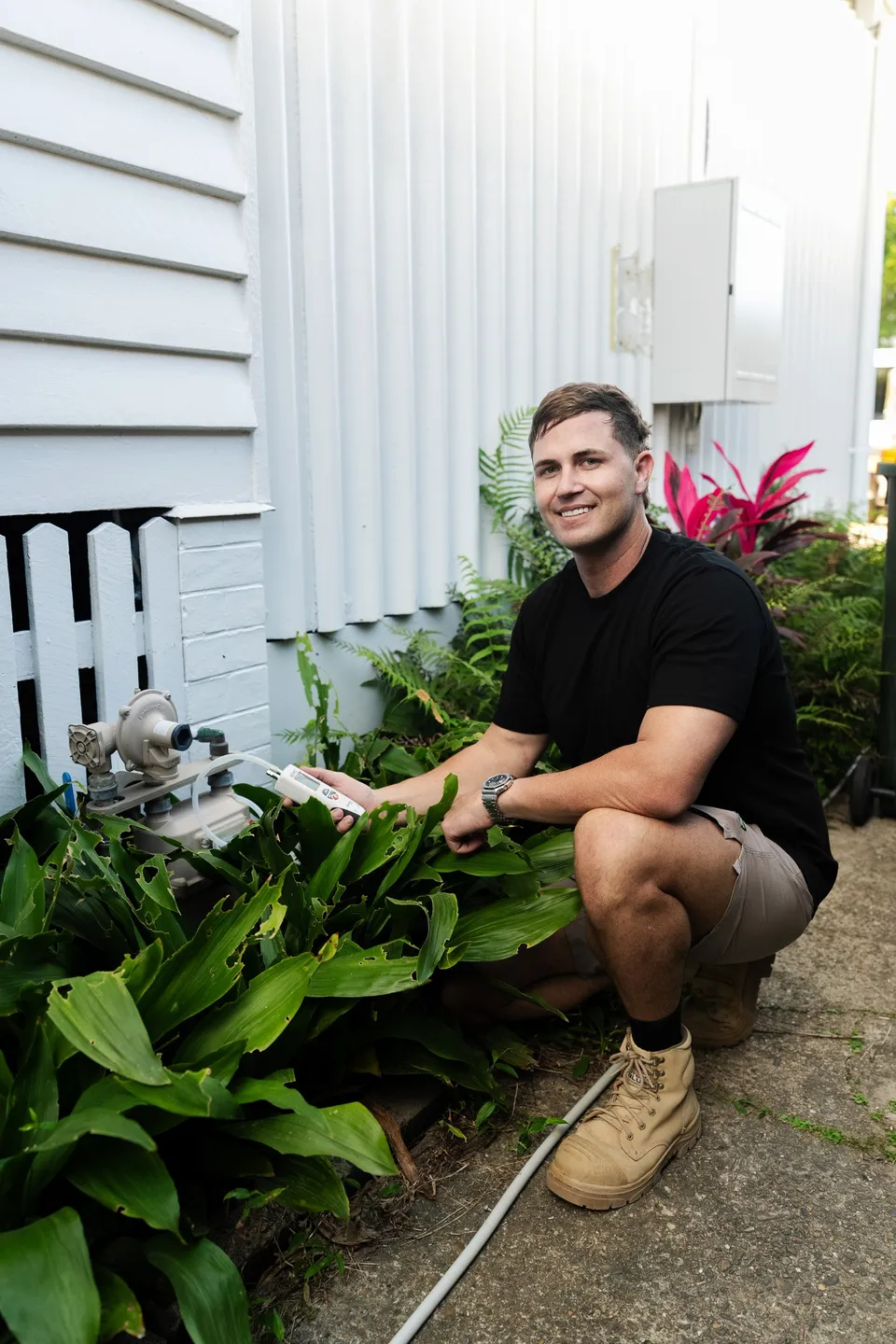
Natural Gas, LPG and Conversions
Before anything is connected, the gasfitter confirms the supply can carry the extra demand. Fuel gas arrives by pipe from a metered network or from LPG bottles, and the checks differ for each.
Bottle storage plus the vaporisation rate
On LPG, the cylinders need correct storage and enough vaporisation for the new appliance.
The meter and its capacity
On a metered network, the meter has to handle the added load.
Pipe sizing
The pipework between the source and the appliance needs the right size for the demand.
Network notice
Before a new gas system goes in on a metered supply, the gasfitter notifies the network operator first. The same rule covers work adding 100 megajoules per hour or more, setting out the jobs and the demand increase.
Most cooktops come from the factory configured for a single fuel. A cooktop moving between reticulated gas and bottles needs converting first, which is also gas work: a licensed gasfitter fits the parts made for that model and tests the result.

What a Safe Gas Appliance Has Built In
A safe gas appliance carries three features: an approval badge under the national gas device scheme, flame failure protection and automatic reignition. Check the three before paying.
The approval badge
confirms the appliance passed testing under the national scheme.
Flame failure protection
shuts off the gas when the flame dies.
Automatic reignition
lights the burner again on its own.
A gas oven or heater deserves the same three checks. For outdoor heating and barbecue hookups, our page on gas bayonet installation covers that work.
How Your Gas Cooktop Installation Runs
- 1

Get in touch
Call (07) 3524 7137 or send a quick message about the job in Albany Creek, and we'll ask what we need to know.
- 2

We check the supply and the fit
We sight the appliance's installation sheet, confirm the supply can meet its demand, check the clearances to the rangehood and cabinetry, and talk through any conversion before quoting.
- 3
Sign off the quote
You'll see a fixed quote before any work starts, with flat-rate pricing and no hidden fees. The job starts when you're happy with it.
- 4

Pay once it's done
Pay by card or EFTPOS on site after the work's finished, or choose Fix now, pay later.
Plumbing job in Albany Creek?
$0 call-out fees, available 24/7, and same-day where we can.
Gas Cooktop Questions From Albany Creek
Call (07) 3524 7137Can I install a gas cooktop myself?
No, Queensland keeps all gas work for licensed gasfitters, and that covers connecting, altering and certifying. Ring (07) 3524 7137 and we will do it properly.
Do I get a certificate after a gas appliance installation?
Yes, the licence holder hands you the gas system compliance certificate immediately on completion. Keep it with your property papers.
Can a gas cooktop in Albany Creek run on LPG bottles?
Yes, provided the appliance is set up for LPG and the bottle storage and vaporisation rate can meet its demand. The gasfitter confirms both before connecting anything.
How long does a gas cooktop installation take in Albany Creek?
The time depends on whether the cooktop lands on a point that already exists or needs fresh pipework, plus any conversion and supply checks. The quote is fixed before work begins.
Can I move my gas cooktop to a different spot?
Yes, but a licensed gasfitter has to do the move. Relocating the connection alters the gas system, which is licensed gas work and ends with a compliance certificate.

Call Us About Your CooktopWe'll call you back.
Ring (07) 3524 7137 and tell us what's wrong. You get $0 call-out fees, a fixed quote before any work starts and same-day where we can, 7 days a week.
To claim your $0 call-out fee, call (07) 3524 7137 today.